
Do this. Do that. Try this. Try that.
Have you thought about shorter YouTube videos? What about longer ones?
Maybe try this app instead of that one.
Does physical mail matter anymore?
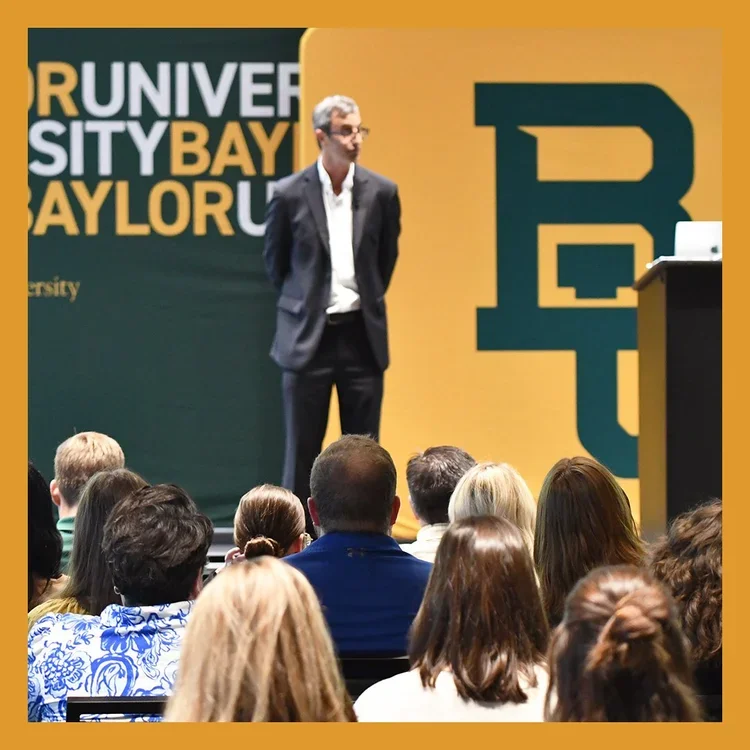
When it comes to marketing strategy, the questions, ideas, and suggestions are endless. And yet, Ryan Morabito, senior advisor at 5° Branding, has found time and again that marketing experts resonate with core concepts that stand the test of time. Ryan regularly shares such insights and conversation starters over on LinkedIn, prompting discussions among marketing leaders across the higher education landscape.
We’ve gathered Ryan’s top ten posts for 2025. Take a look at what mattered most to marketing leaders.
Everyone has a marketing opinion.
What colleges need is marketing expertise.
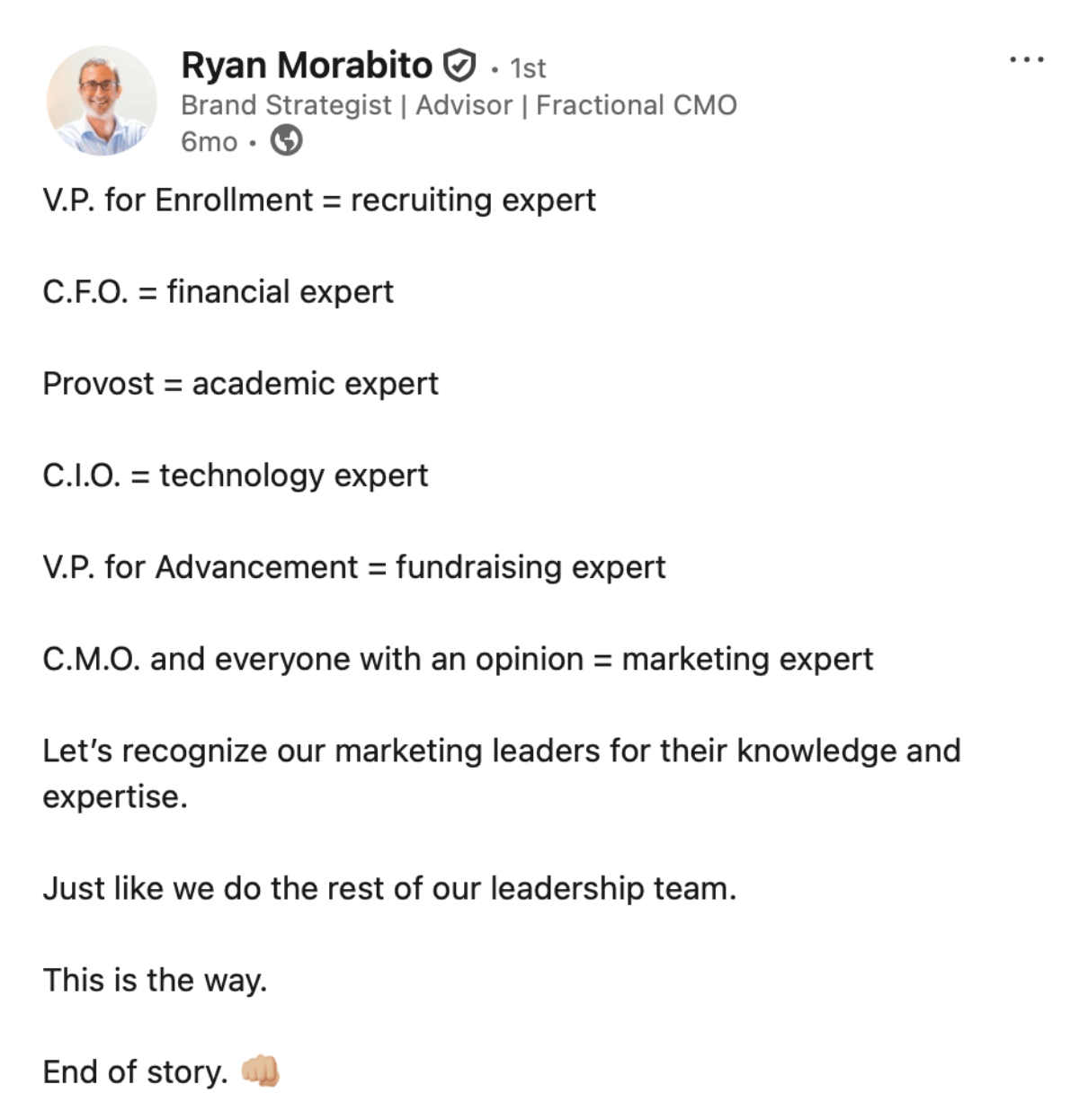
Most people aren’t popping into the finance department to give the accountants budget tips or poking their heads into the provost’s office to recommend a new pedagogy. And yet, when it comes to marketing, just about everybody has an opinion. It’s an understandable reality — everyone is on the receiving end of multiple marketing attempts everyday, whether they’re scrolling social media, watching television, or driving down a billboard-laden highway.
For marketing leaders, though, the never-ending supply of marketing opinions can become a challenge. Since people experience marketing every day, they may not recognize the need for a leader with true expertise. But marketing experts make a tangible difference — that is, when they’re empowered and resourced to function as true leaders.
Great academic leaders recognize the knowledge and expertise of a C.M.O. and other marketing professionals as valuable and actionable.
The school isn’t the hero. The student is.
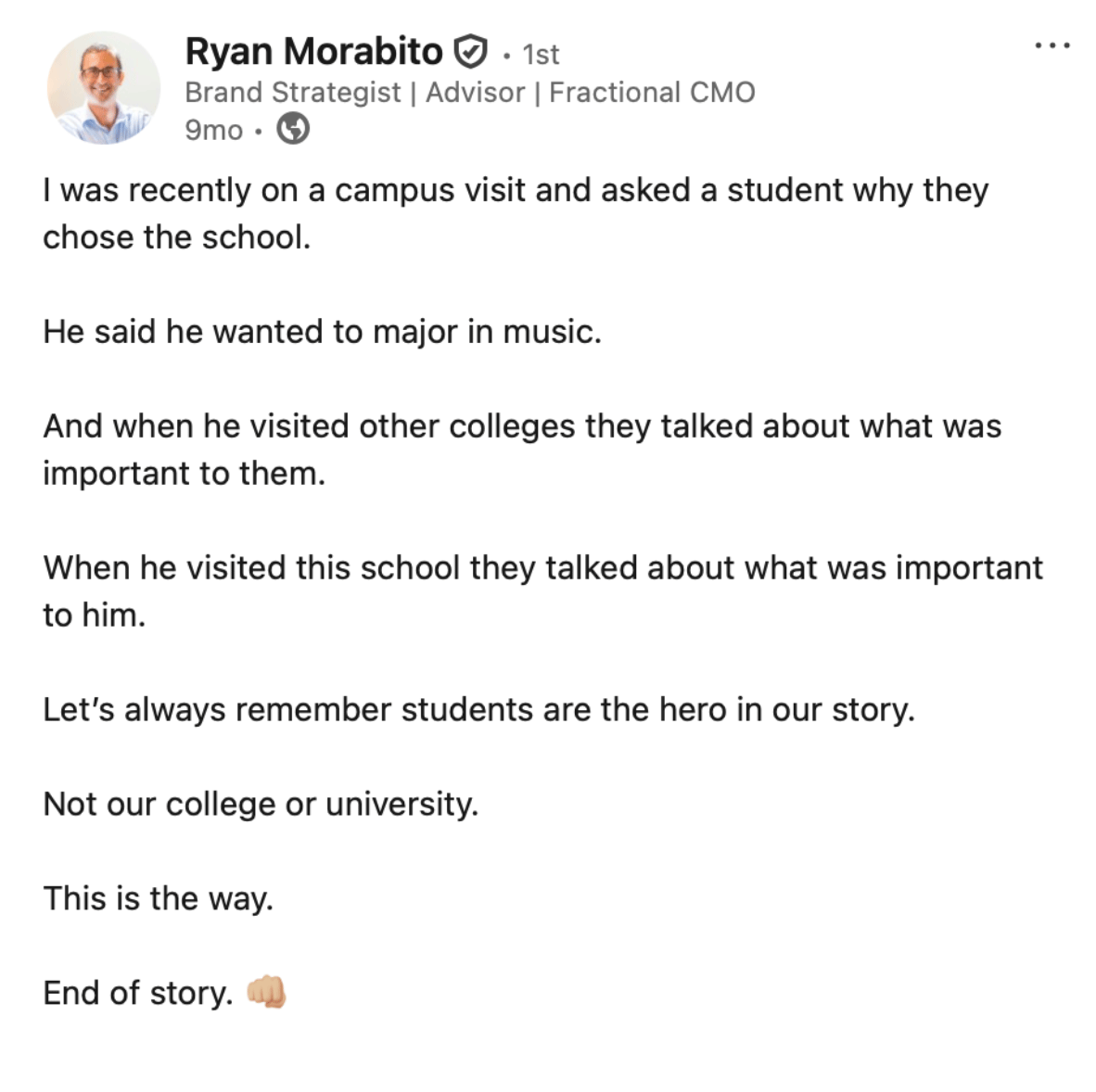
Students have more choices than ever. Not only that, but they have vast amounts of information about their choices at their fingertips. In a sea of sameness, making the student the hero of their upcoming college journey can make all the difference. While the achievements and hallmarks of an institution are important to share, just naming them as selling points isn’t enough.
Great marketers communicate their school’s brand assets as invitations for students to see themselves in the story of their college or university. They find ways to show how their institution is set up to support what the student values, desires, and hopes to accomplish. And in doing so, they help prospective students — whether high schoolers and their parents imagining what’s next or working professionals envisioning their career trajectory — see how their institution could be the ideal setting for the next chapter of their hero’s journey.
CMO = direct report to the college president.
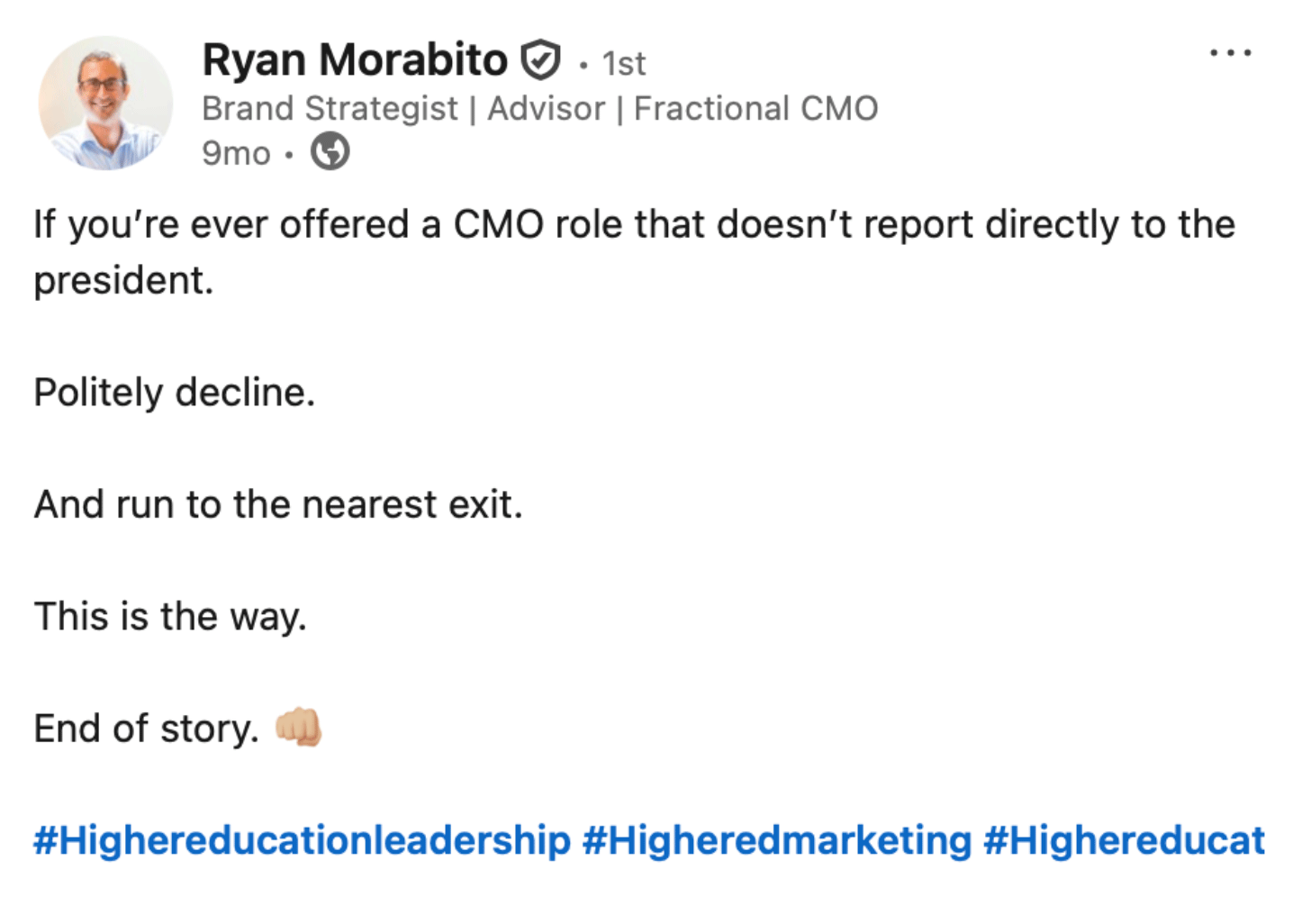
We’ll be honest — this one caused some controversy in the comments! While many people replied with something along the lines of “Yes!” or “#fact,” others had a different perspective.
“One size should not always fit all,” said one enrollment leader. Another suggested that being in the cabinet made a bigger difference than the reporting structure. Across the board, however, one thing seemed easily agreed upon: the CMO must have a seat at the table of leadership. One commenter summed it up well:
“The president must be intimately aware of how the lead flow is coming along as well as when funds and efforts need a boost or to be re-prioritized. When that doesn't happen, it leads to less and less prioritization of the funds towards marketing efforts. Then you get to the stage, when the president doesn't understand effective marketing, where they wonder why they are ‘using up the scarce resources of the organization.’ As one president put it when I asked what their marketing budget was, he replied, ‘what is this marketing budget you speak of?’”
This too-common story makes it clear: marketing needs a seat at the table, a well-resourced budget, and the backing of leaders at the highest levels. When the story of the school is understood and well-told internally, all stakeholders are better equipped to communicate it effectively externally.
Honest, realistic enrollment forecasts set teams up to succeed.
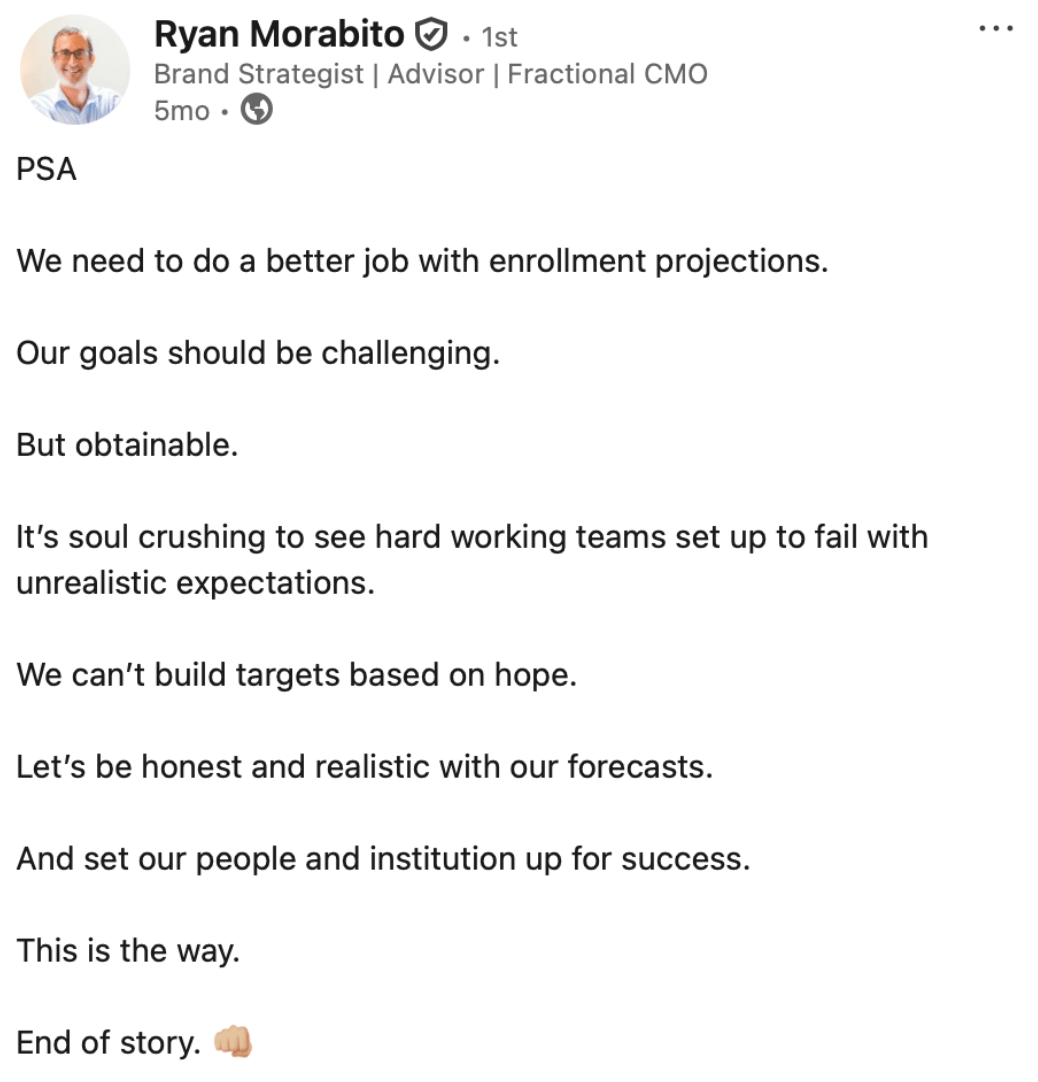
The demands on marketing leaders are constant. While they often work with constrained budgets and timelines, the expectations placed on marketing leaders can be very high. When it comes to enrollment goals, set them with the opinions of marketing leaders in mind — and with reality always at the forefront.
“Stretch goals are great; but let's build the budget on a realistic goal!” commented one VP for Enrollment Management and Marketing.
Unrealistic goals — and the inevitable failure to meet them — can be a source of tremendous discouragement and even burnout for marketing teams. But wisely set, attainable goals offer a pathway to consistent success.
Discernment is critical.
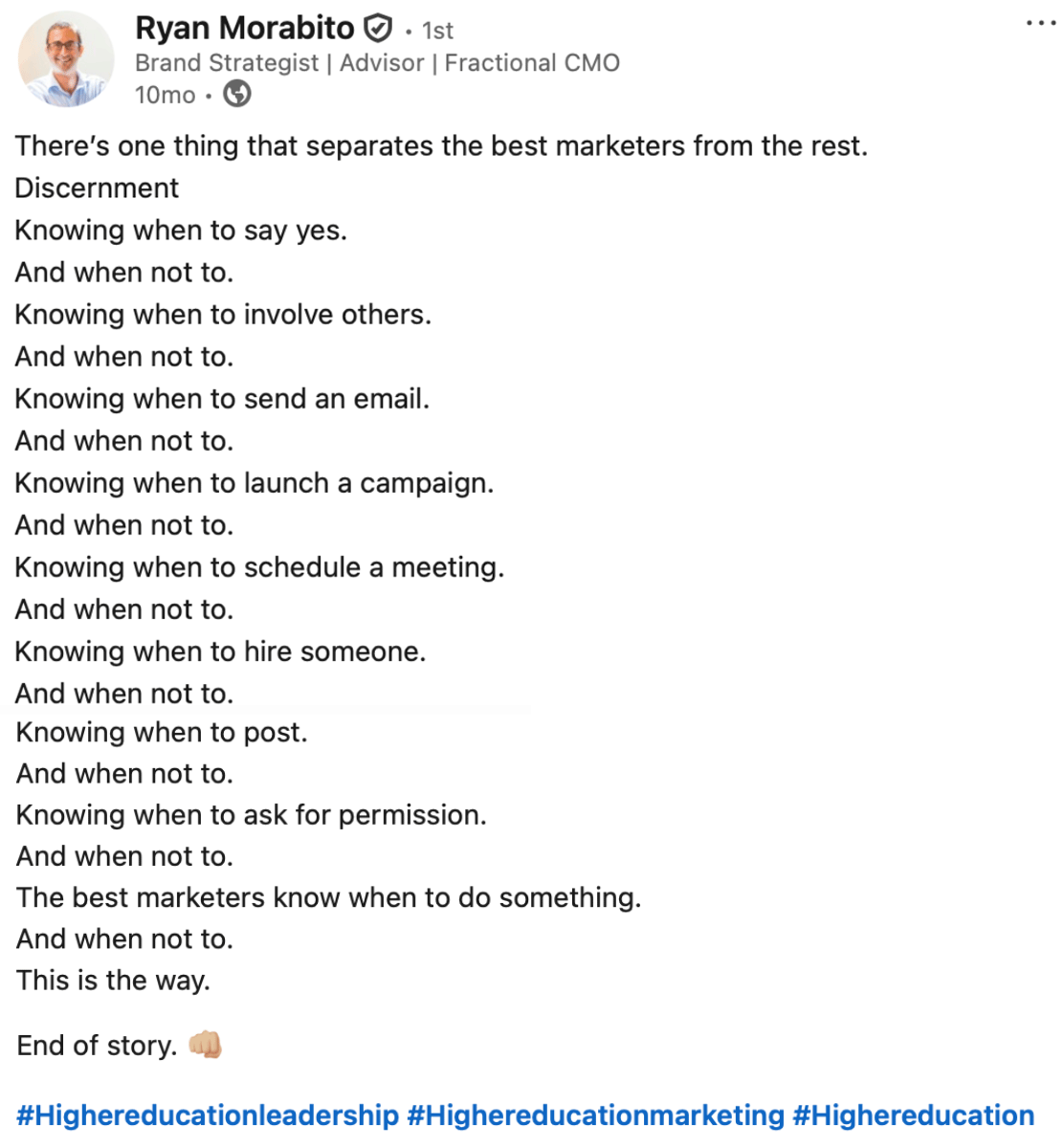
Data matters. Measurement matters. Technology matters. And even still, at the end of the day, the human expertise of a strong marketing leader knows that those tools require capable hands.
Knowing when to go hard, when to pull back, and how to communicate in any season are key elements of higher education marketing that require “experience and intuition,” one commenter wrote. In an era when marketers list “constant pressure to keep up with trends” and “ad-hoc requests” as two of their top stressors, it’s more important than ever for marketing leaders to cultivate their discernment and apply it with confidence.
Strong marketing leaders help college presidents fulfill their missions.
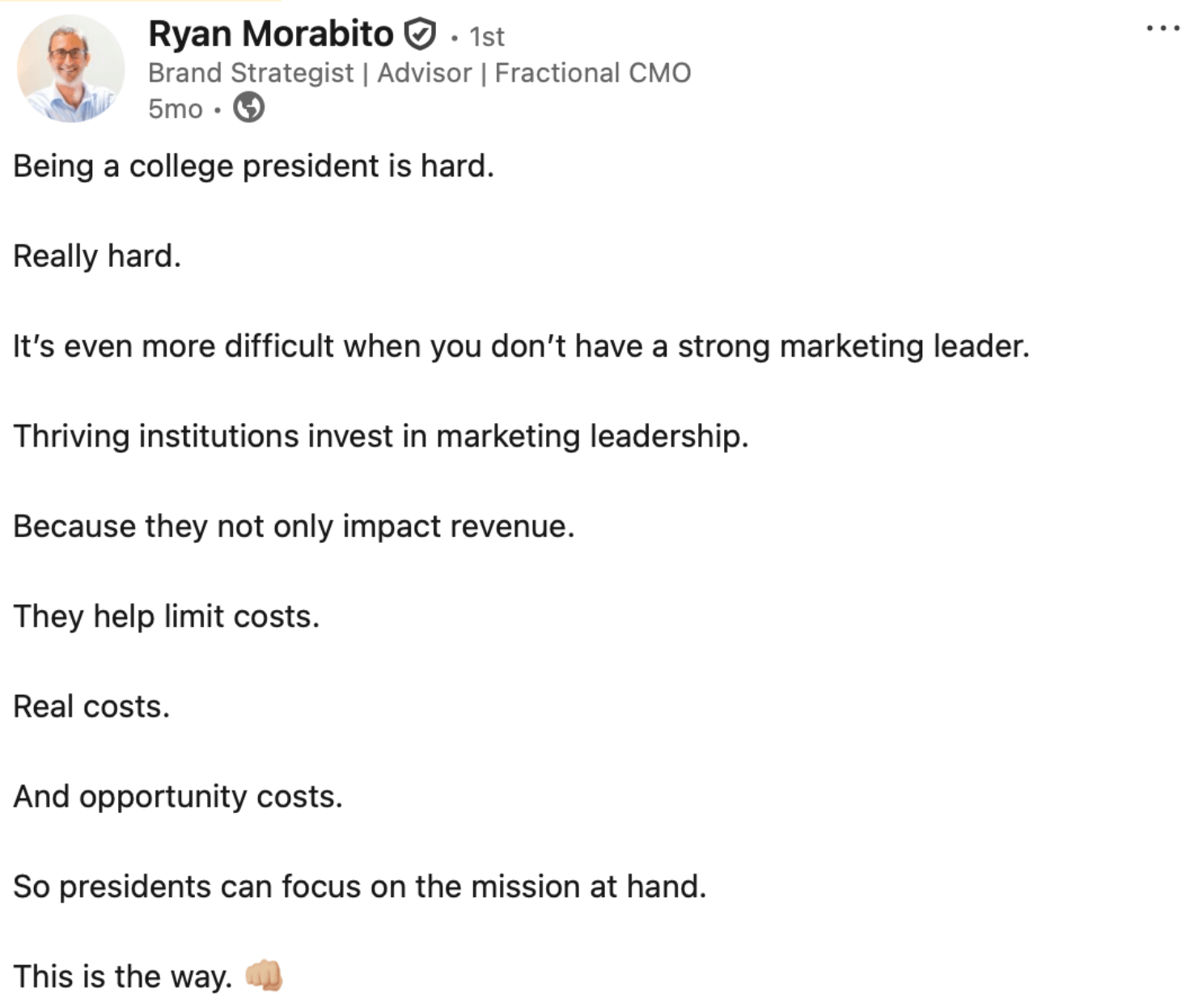
For stressed college presidents facing declining enrollment and constricted budgets, it’s easy to think that less marketing spend is the route to go. But the opposite tends to be true — when higher education institutions maintain or increase their investment in marketing, the numbers improve.
Why? Because strategic marketing leadership doesn’t only increase revenue, it decreases costs.
When a president can focus on the mission at hand knowing that capable, collaborative marketing leaders are executing the institutional vision, their time and energy is better spent. When college presidents and their marketing leaders trust and rely on each other to complete the work at hand with excellence, all involved are empowered to leverage their gifts, talents, and skills for the good of the institution.
Perception is reality.
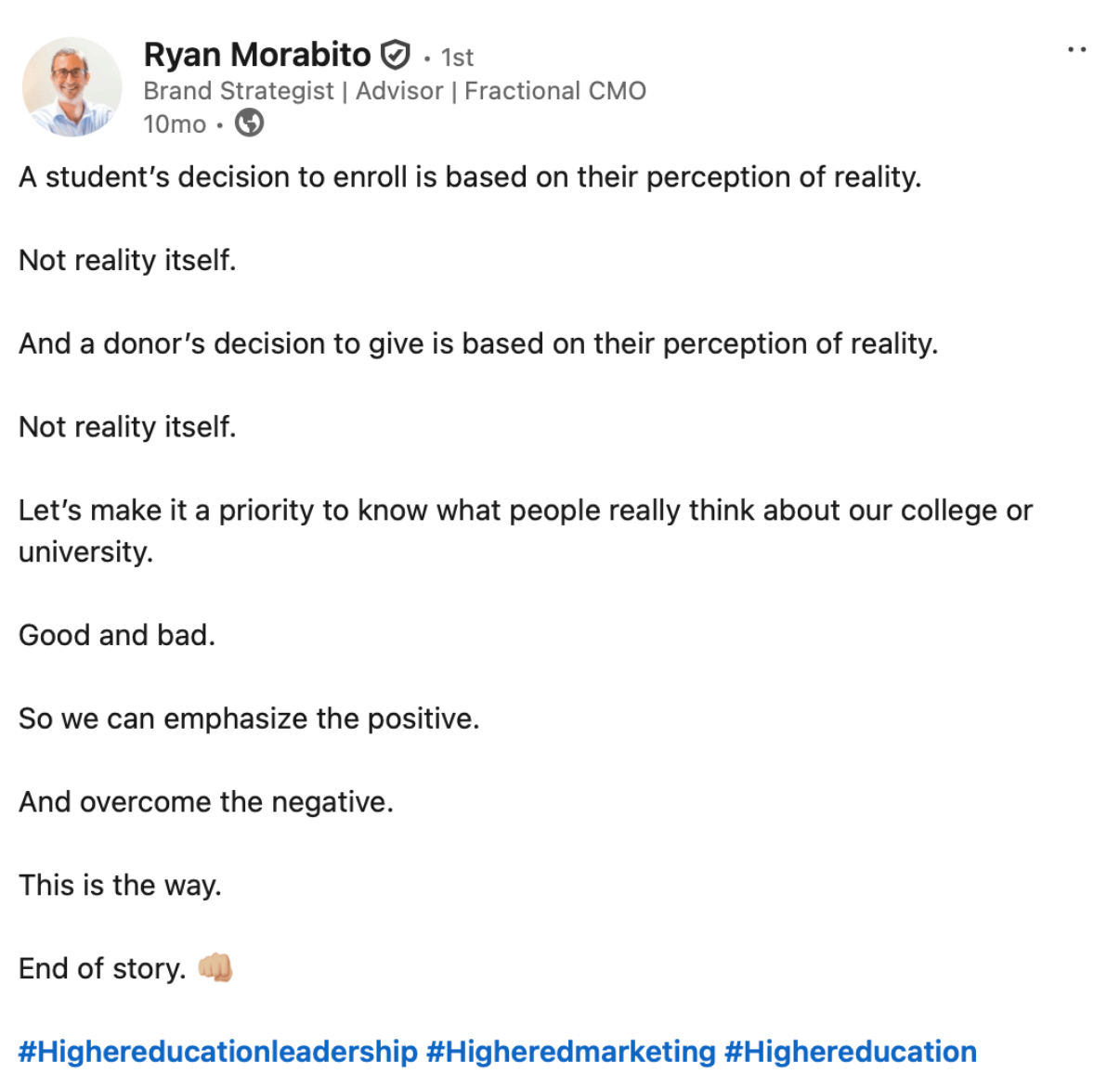
Many college and university leaders feel like they have a strong sense of their institution’s perception. The logic goes something like this: I’m here every day, experiencing the unique features of our campus life. I know exactly who we are, so that means I know exactly how people see us.
The problem is — internal experience doesn’t necessarily correlate to external perception. In fact, many studies show that internal and external perceptions of higher education institutions often differ significantly.
External perceptions are easier than ever for the public to find. When prospective students receive an email from a school or see a college’s Facebook post, they may give it a thought or two. But a Reddit post about the real-life experiences at that school? Or an Instagram reel in which a current student shares a day on campus? What prospective students see in those spaces is likely going to shape their reality more than traditional marketing efforts. That’s why it’s so important that colleges both learn how they’re viewed from the outside and seek to understand the experiences of those on their campus, so that their brand voice and messaging can be an authentic reflection of their institution.
While Reddit posts and tweets are simple to find, the greatest value lies in high-quality research that surveys perception among both internal and external stakeholders, empowering institutional leaders with comprehensive knowledge and action steps.
Prioritizing programs isn’t just a good idea — it’s essential.
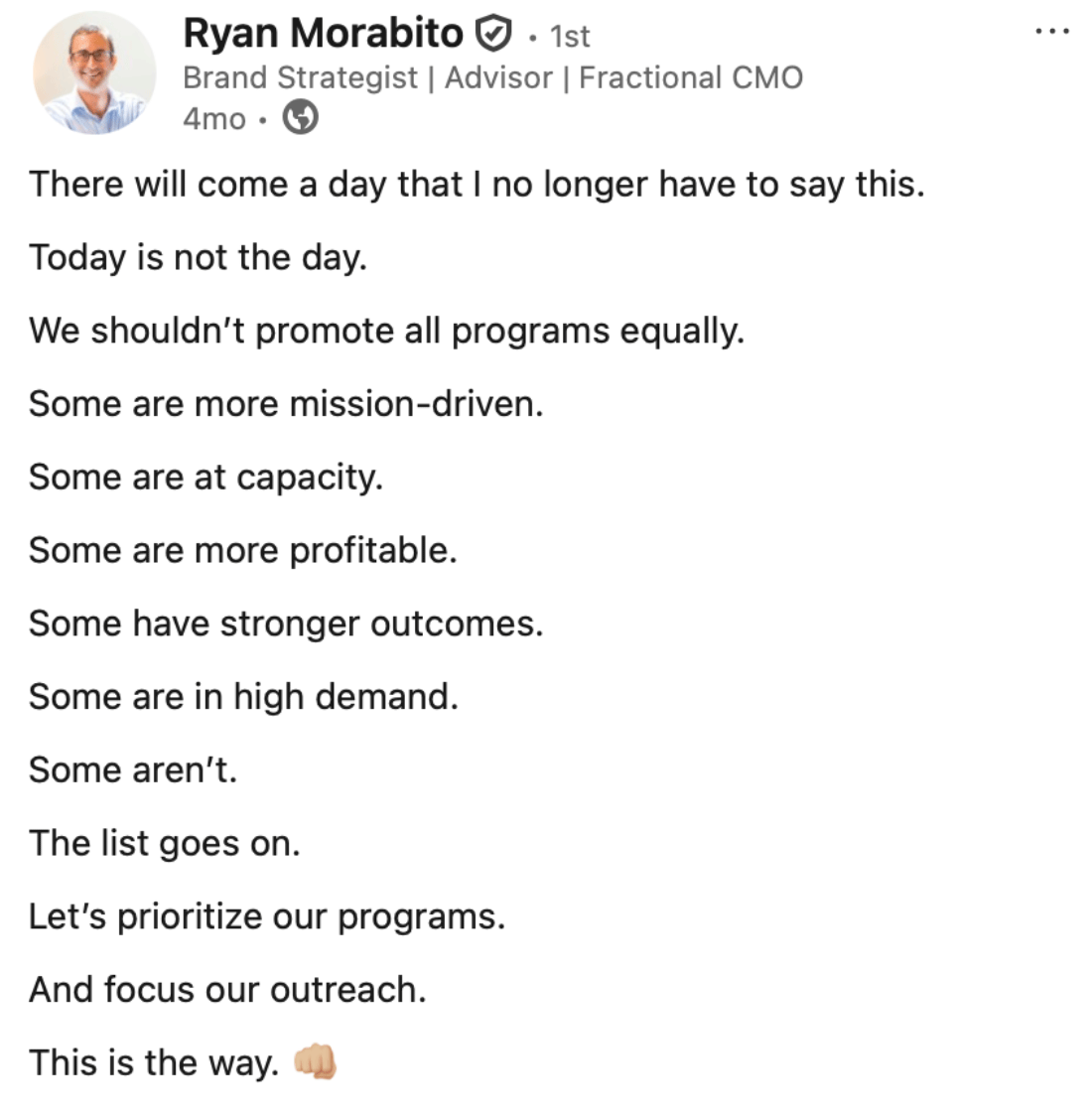
When it comes to making friends on campus, “let’s prioritize programs” may not be the best conversation starter. But with ongoing discussion and shared understanding, recognizing the importance of leveraging mission-driven, profitable programs with strong outcomes can be a win-win throughout an institution.
One commenter recommended naming the feeling of “playing favorites” as a tool for acknowledging and reducing tension. When the air is a bit clearer, it can become possible to have conversations about growth, demand, and capacity that serve academic departments while providing marketing teams with the clarity they need to highlight various programs. Oftentimes, focusing outreach on specific programs not only positively impacts them, but the school’s programs as a whole as people are drawn in by targeted efforts that introduce them to the broader institution.
Strategic marketers are successful marketers.
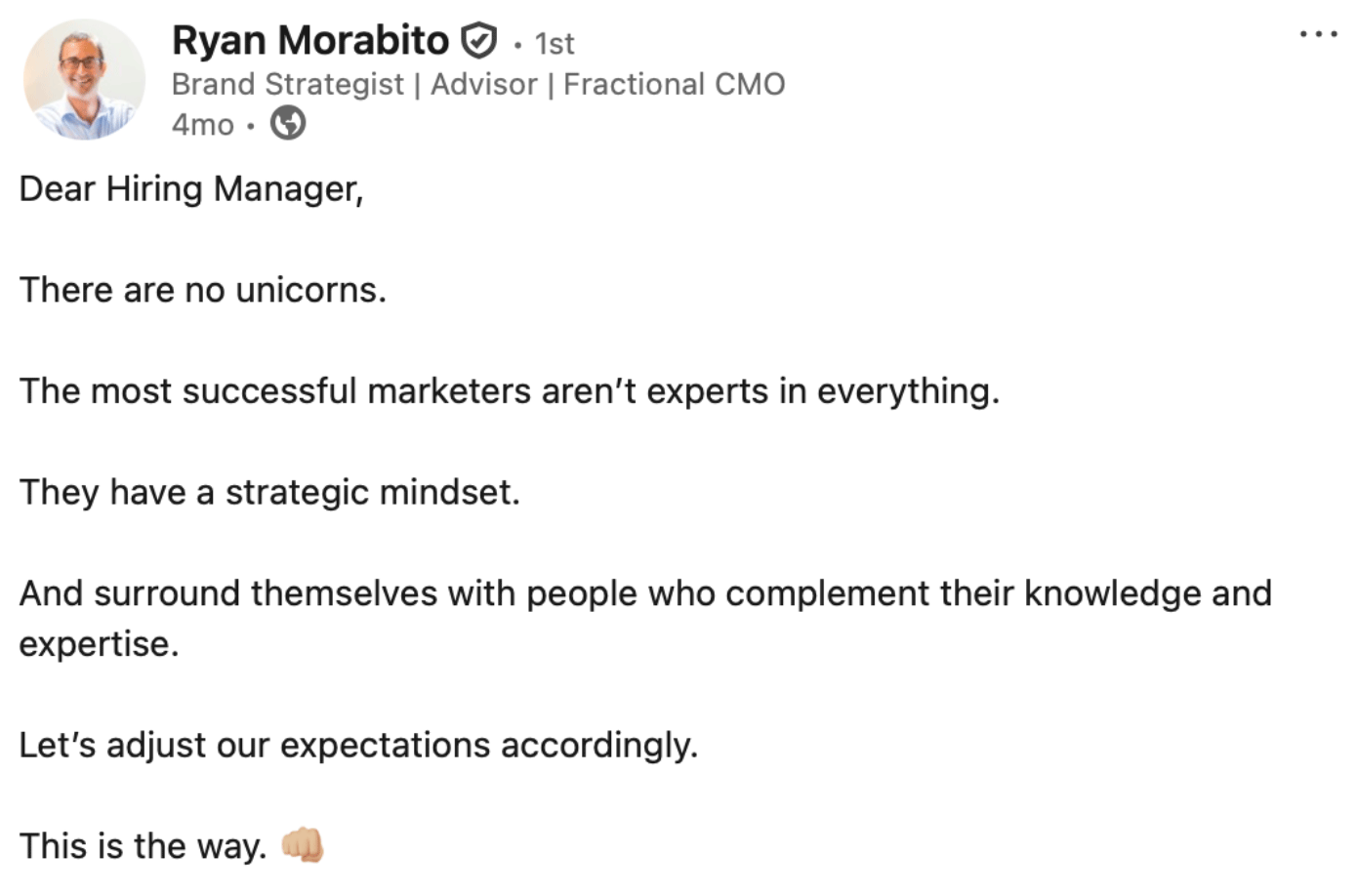
As delightful as unicorns are, there’s a reason they live in the realm of magic: they’re not real. So why do we expect our marketers to be unicorns? Too often, marketing leaders are asked to have broad-ranging skills and to see the world through the lens of a crystal ball, encouraging them to make projections and decisions that may not have all the relevant factors in mind. As tempting as it may be to attempt a unicorn existence, the most effective marketing leaders recognize that the key to their success is not being able to do everything, but instead applying a strategy to everything.
Building a strategy. Cultivating a team with diverse skills and gifts. Demonstrating the humility to foster the skills of others. That’s the magic of a good marketing leader.
Optimistic marketers create optimal momentum.
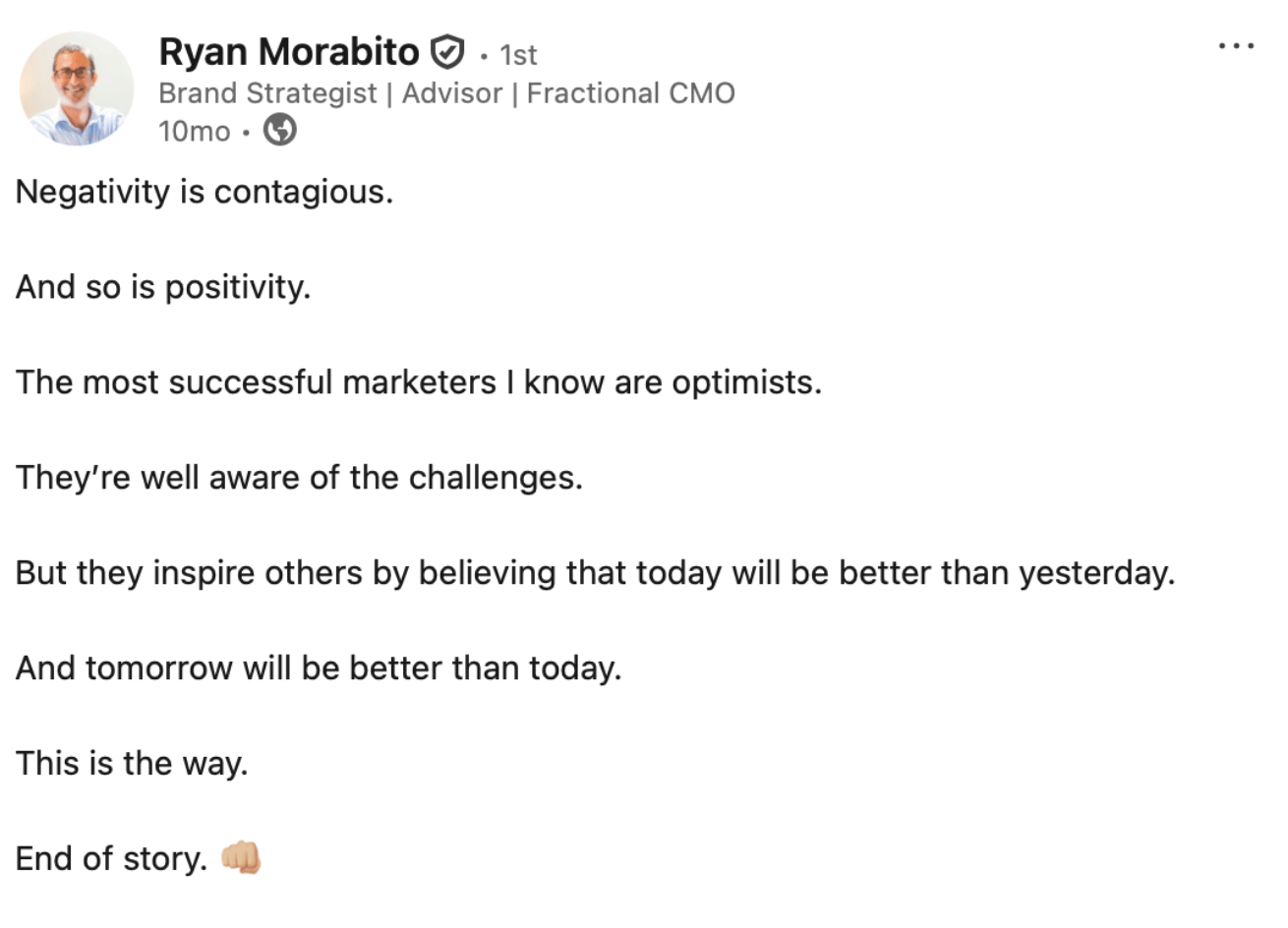
Effective higher education marketing leaders are strategic, open to feedback, and willing to talk about hard things. They’re also optimists. While effective marketing leadership requires repeatedly rising to challenges and managing critique, the more difficult aspects of the role don’t have to set the tone of the leader.
The optimistic leader doesn’t turn a blind eye to problems. Instead, they keep the mission and vision of the institution as their guidepost, continually working toward growth with the belief that things can improve — and that marketing can be a strong part of that improvement.
At 5°, we believe that small, data-driven and discernment-guided marketing shifts can bring about remarkable positive outcomes. We’re excited to connect with more marketing leaders in 2026, learning and working together toward flourishing higher education institutions.
Are you ready to explore a new higher ed marketing partner? Let's talk about how 5° could come alongside your team to meet your institution’s needs.